Most falls that end independence happen in one room. SafeStride breaks down what actually works, what it costs by state, and the questions to ask before anyone signs a contract.
Start with walk-in tubs →
of falls among older adults occur in the bathroom
typical walk-in tub install time
for the lowest-cost fix we cover — a no-drill grab bar
Full Guide
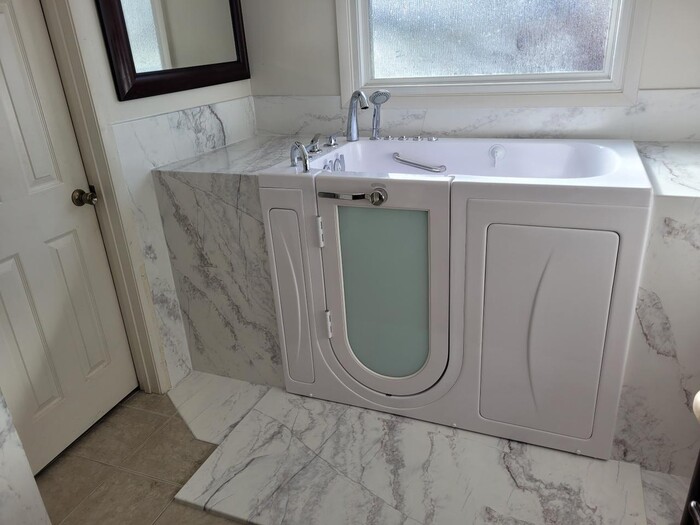
Real costs, what Medicare and Medicaid will and won't cover, an hour-by-hour install day, and the sales-pitch red flags to know.
What "one day" actually includes, curbless design vs. a walk-in tub, and real costs.
Budget Option
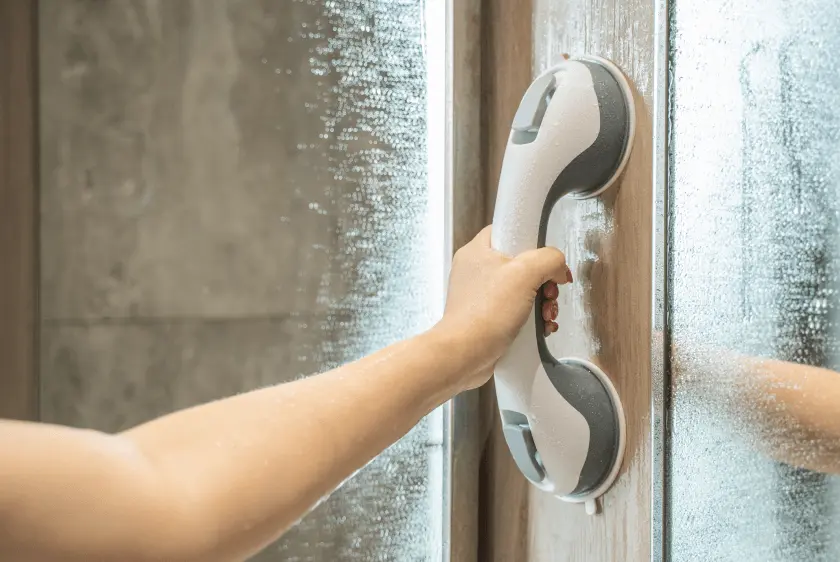
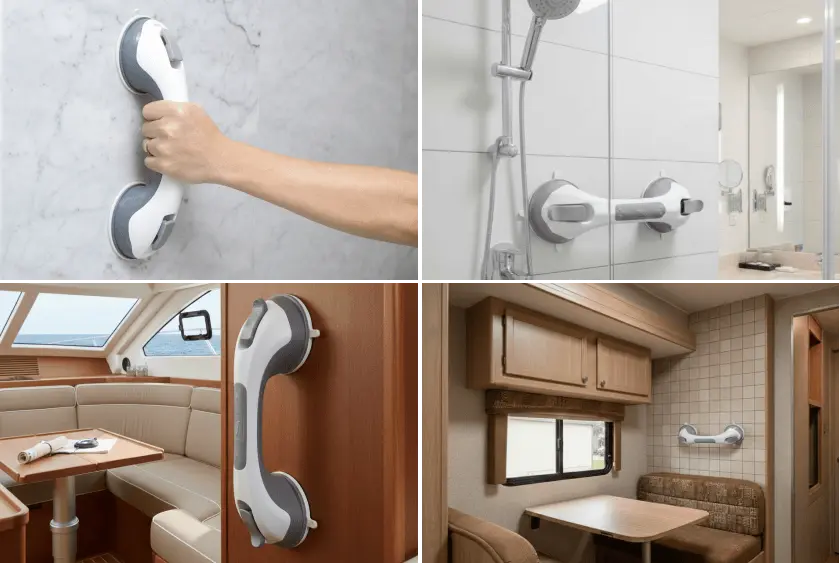
A suction-cup handle under $50 — when it actually works, which surfaces it doesn't, and how it compares to a permanent bar.
Every option here has a real downside — cost, install disruption, or fit for your specific bathroom. We say so before we say "buy."
State-by-state pricing, what insurance typically covers (usually less than people expect), and financing options that actually exist.
Most of this research is being read by a son or daughter trying to make a safe call from another state. We write for that person as much as the parent.
Seniors regulate body temperature and blood pressure less efficiently, and a hot, humid bathroom is a documented trigger for the lightheadedness that precedes a fall — separate from anything to do with wet floors. We break down the actual physiology and low-cost fixes.
Read the heat safety guide →Two of these — water heater temperature and which way your bathroom door swings — almost never make it onto a standard list, even though both take under five minutes to fix.
Read the full checklist →Foundation type, permitting, and Medicaid waiver programs are all state-specific. We've broken out local pricing and program details for the states we get asked about most.